
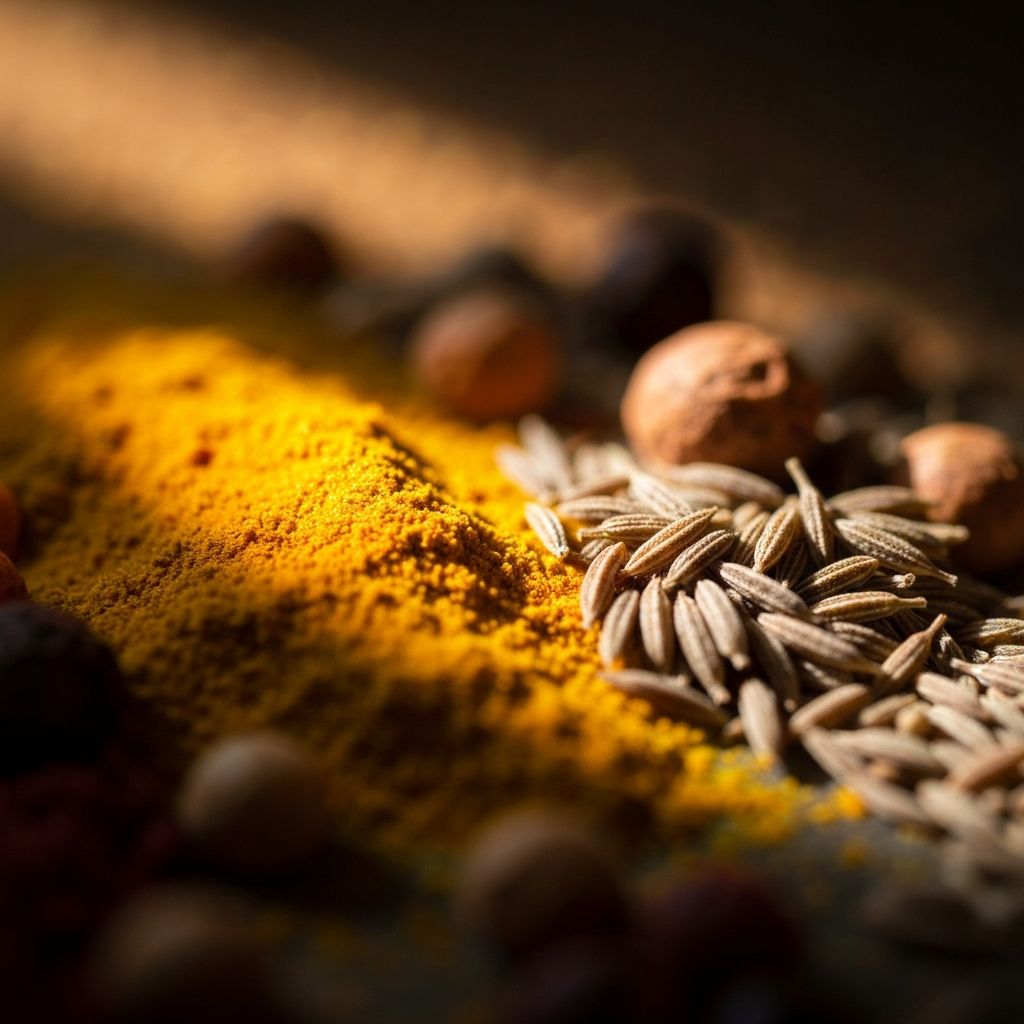
What is Curcumin?
Curcumin is a naturally occurring compound found in turmeric, a golden-yellow spice derived from the rhizome (underground stem) of the Curcuma longa plant. This compound has captivated researchers and traditional practitioners alike for centuries due to its distinctive color and purported properties.
The molecular structure of curcumin allows it to interact with various biological systems in the body. It is known for its polyphenolic nature, which contributes to its recognized characteristics in scientific literature.
Historical and Cultural Significance
Turmeric and curcumin have played central roles in traditional medicine systems, particularly in Ayurveda and traditional Chinese medicine. For thousands of years, cultures in Asia and beyond have incorporated turmeric into their wellness practices, culinary traditions, and ceremonial uses.
In Ayurvedic tradition, turmeric is valued for its warming properties and its role in supporting overall wellness. Its golden color has made it symbolically important in many cultures, often representing purity, healing, and auspiciousness.
How Curcumin Works
Curcumin's mechanisms of action in the body are complex and multifaceted. It is believed to interact with cellular signaling pathways and may influence various biological processes. Researchers have identified that curcumin has several biochemical properties that distinguish it in scientific study.
The compound appears to have antioxidant properties, meaning it may help neutralize harmful molecules in the body. It may also interact with proteins and enzymes involved in various physiological processes, though individual responses can vary significantly.
Curcumin and Joint Health
One of the primary areas of contemporary research interest is curcumin's potential relationship with joint flexibility and mobility support. Some studies suggest that curcumin may help maintain healthy joint function, though mechanisms are still being elucidated.
In traditional practice, turmeric-containing foods and supplements have been used to support joint health as part of broader wellness approaches. Whether this is due to curcumin specifically or to the synergistic effects of turmeric's various compounds remains an active area of investigation.
Bioavailability Considerations
An important aspect of understanding curcumin is its bioavailability—the degree to which it is absorbed and utilized by the body. Pure curcumin has relatively low bioavailability when taken alone. This is why turmeric is traditionally consumed with black pepper, which contains piperine, a compound that may enhance curcumin absorption.
Modern supplements often include bioavailability enhancers to optimize the body's ability to utilize curcumin effectively. This consideration is important for understanding how different formulations may affect outcomes.
Integration into Daily Wellness
Curcumin is most commonly encountered as turmeric in culinary contexts. Golden milk (turmeric tea), curry dishes, and other traditional preparations offer ways to incorporate turmeric into daily nutrition. Dietary supplements containing curcumin are also widely available.
Regardless of form, curcumin should be understood as part of a broader approach to wellness that includes movement, proper hydration, balanced nutrition, and lifestyle factors.
Current Research Landscape
Scientific interest in curcumin continues to grow, with numerous studies exploring its potential applications in supporting various aspects of health. Researchers are investigating its mechanisms, optimal dosages, and most effective delivery methods.
While promising findings have emerged from preclinical and some clinical studies, it's important to note that research is ongoing and conclusions should be interpreted with appropriate scientific caution.
Back to Blog