
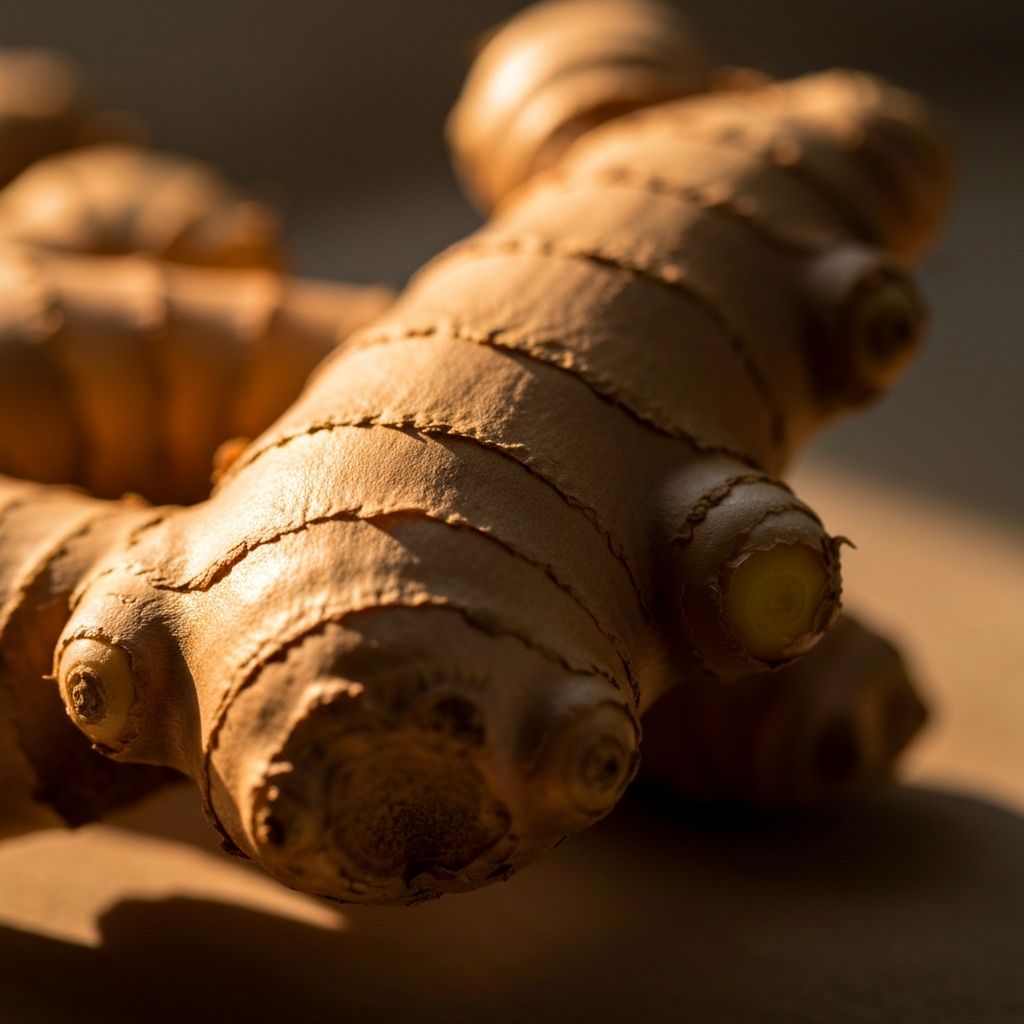
The Nature of Ginger
Ginger, scientifically known as Zingiber officinale, is a rhizomatous plant native to Southeast Asia. The rhizome (the underground stem that resembles a root) is the part most commonly used in culinary and medicinal applications. Its distinctive warm, peppery flavor and aromatic profile have made it a staple ingredient across cuisines worldwide.
The compound profile of ginger is complex, containing numerous bioactive constituents including gingerols, shogaols, and other phytochemicals that contribute to its recognized characteristics.
Traditional Uses Across Cultures
Ginger's history of use extends back thousands of years. In traditional Chinese medicine, ginger is valued as a warming herb believed to support digestion and overall wellness. In Ayurvedic practice, ginger is considered a versatile plant with multiple potential applications in maintaining health.
European herbalists have also recognized ginger for centuries, incorporating it into traditional remedies and nutritional practices. This cross-cultural recognition speaks to the compound's widespread significance in human wellness traditions.
Active Compounds in Ginger
The warming and peppery sensations associated with ginger come from compounds called pungent constituents. Gingerols, which are most abundant in fresh ginger, and shogaols, which increase when ginger is dried or heated, are primary active components.
These compounds have been the focus of scientific investigation, with researchers exploring their biochemical properties and potential interactions within the body. The concentration of these compounds can vary depending on growing conditions, harvesting time, and storage methods.
Ginger and Joint Flexibility
Contemporary research has shown particular interest in ginger's potential relationship with joint function and mobility. Some studies suggest that certain constituents of ginger may support joint health and flexibility, though individual responses vary.
In traditional practice, warm ginger preparations have been used to support mobility and general wellness. Whether this is due to specific bioactive compounds, the warming sensation itself, or synergistic effects of ginger's complex chemistry continues to be investigated.
Forms and Preparation
Ginger can be consumed in numerous forms: fresh, dried, powdered, crystallized, as a tea, or in supplement form. Each preparation method may yield slightly different compound profiles and bioavailability characteristics.
Fresh ginger root provides the highest concentration of gingerols, while dried ginger contains increased levels of shogaols due to the conversion that occurs during the drying process. Ginger tea remains a popular traditional preparation, combining hydration with the compound benefits of the root.
Integration with Movement and Lifestyle
Ginger works most effectively as part of a comprehensive wellness approach. When combined with regular physical activity, proper hydration, and balanced nutrition, ginger becomes one component of a broader strategy for maintaining joint flexibility and overall mobility.
The warming sensation of ginger is also believed to enhance circulation, which may support nutrient delivery and overall joint health when part of a holistic wellness practice.
Current Scientific Investigation
Researchers continue to explore ginger's mechanisms and applications. Studies have examined its potential effects on various physiological systems, and interest in its traditional uses has spurred modern scientific validation efforts.
While preliminary findings are encouraging, ongoing research continues to refine our understanding of how ginger's complex array of compounds contribute to its recognized properties and potential benefits.
Back to Blog